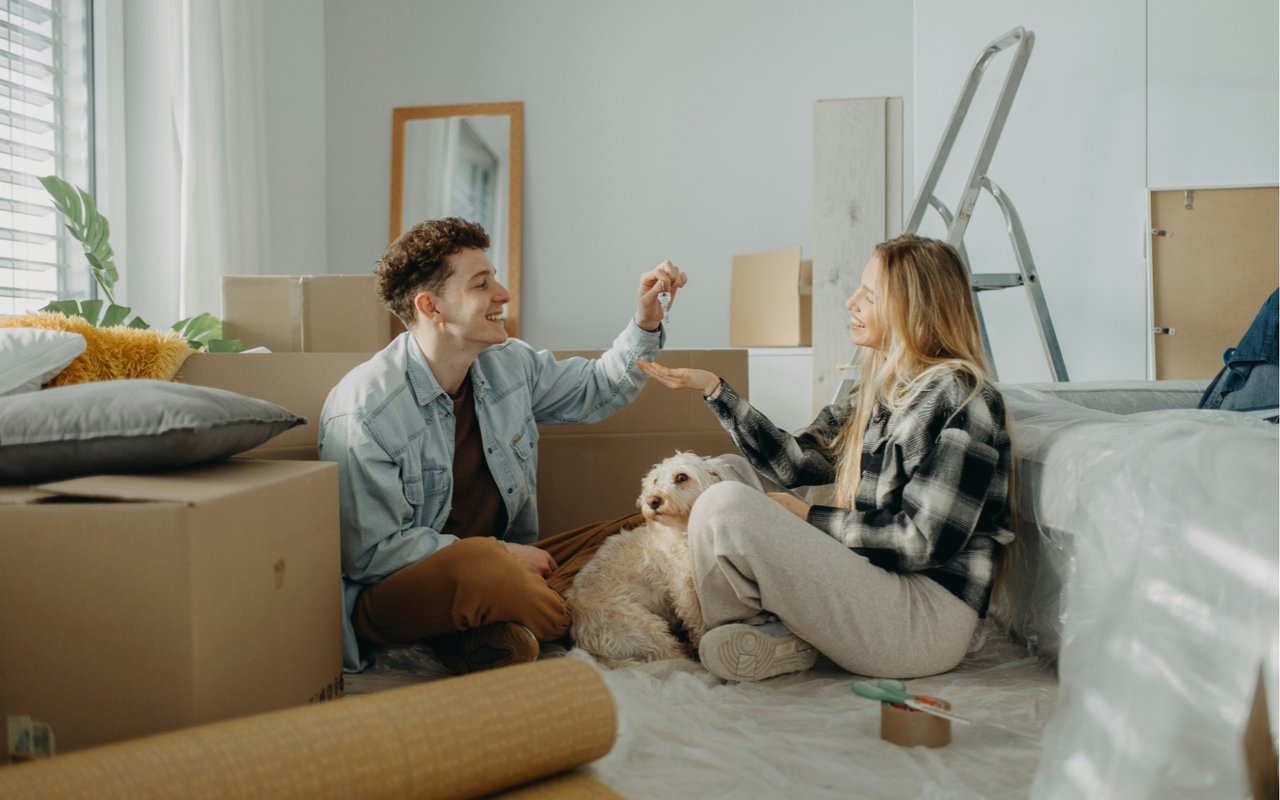
Relocating to a new home is an exciting step, but it can also be a source of stress, not just for people, but pets as well. Dogs, cats, and other animals are sensitive to change, and the process of packing, traveling, and settling into unfamiliar surroundings can cause anxiety. With proper planning and consideration, pet owners can ensure a safe and comfortable move for their four-legged companions. These tips for moving with pets offer guidance for reducing stress and keeping animals happy throughout the entire process.
Prepare Early and Stay Organized
One of the most effective ways to ease a move with pets is by starting preparations well in advance. Begin by gathering all important pet documents, including vaccination records, medical history, and any required permits or identification tags. These documents should be kept in a clearly labeled, easily accessible folder.
It's also helpful to contact the pet’s current veterinarian to obtain copies of records and recommendations for a new provider in the area. If moving across state lines or internationally, research the destination's pet regulations and make sure vaccinations and health certificates are up to date.
Maintaining a sense of order and control will make it easier for pet owners to manage the many moving parts involved in a relocation, especially when animals are part of the equation.
It's also helpful to contact the pet’s current veterinarian to obtain copies of records and recommendations for a new provider in the area. If moving across state lines or internationally, research the destination's pet regulations and make sure vaccinations and health certificates are up to date.
Maintaining a sense of order and control will make it easier for pet owners to manage the many moving parts involved in a relocation, especially when animals are part of the equation.
Maintain Routine During Packing
Animals thrive on routine, and the disruption caused by moving boxes, new smells, and unusual activity can create confusion and anxiety. As much as possible, maintain your pet’s daily routine. Continue feeding at regular times, keep walks and play sessions consistent, and ensure they have access to their usual sleeping area and toys.
Introduce moving supplies like boxes and tape gradually, so pets can become accustomed to them without stress. Avoid packing everything at once, and consider setting aside a quiet room where pets can retreat from the hustle and bustle of packing.
For especially sensitive pets, using calming aids such as pheromone sprays, anxiety vests, or veterinarian-recommended supplements may help reduce unease.
Introduce moving supplies like boxes and tape gradually, so pets can become accustomed to them without stress. Avoid packing everything at once, and consider setting aside a quiet room where pets can retreat from the hustle and bustle of packing.
For especially sensitive pets, using calming aids such as pheromone sprays, anxiety vests, or veterinarian-recommended supplements may help reduce unease.
Plan the Travel Logistics
Transporting pets safely requires thoughtful planning. Whether traveling by car or plane, it's important to ensure that pets are secure, comfortable, and well-prepared for the journey.
For car travel, invest in a high-quality crate or pet seatbelt to prevent sudden movement and keep the animal safe. Never allow pets to ride loose in a vehicle or travel with their head out of the window. Make regular stops for water, bathroom breaks, and brief walks.
If flying, research airline policies regarding pet transport. Some allow small animals in the cabin, while others require pets to be placed in cargo. Always choose direct flights when possible and avoid traveling in extreme heat or cold. Prior to departure, label the crate with the pet’s name, your contact information, and “Live Animal” stickers for added visibility.
Having a go-bag with food, water, medications, and comfort items is also essential during the move. These thoughtful measures are key tips for moving with pets that minimize travel-related stress.
For car travel, invest in a high-quality crate or pet seatbelt to prevent sudden movement and keep the animal safe. Never allow pets to ride loose in a vehicle or travel with their head out of the window. Make regular stops for water, bathroom breaks, and brief walks.
If flying, research airline policies regarding pet transport. Some allow small animals in the cabin, while others require pets to be placed in cargo. Always choose direct flights when possible and avoid traveling in extreme heat or cold. Prior to departure, label the crate with the pet’s name, your contact information, and “Live Animal” stickers for added visibility.
Having a go-bag with food, water, medications, and comfort items is also essential during the move. These thoughtful measures are key tips for moving with pets that minimize travel-related stress.
Prepare the New Home for Arrival
Before introducing pets to a new home, take time to pet-proof the space. Remove any hazardous items, check for escape routes, and ensure the environment is safe and secure. If there’s a yard, inspect fences and gates for gaps or areas where an animal could slip out.
Designate a “pet zone” in the new home where animals can gradually get used to their surroundings. Place familiar items such as bedding, toys, and food bowls in the space to create a sense of continuity. Allow pets to explore other rooms slowly and on their own terms, rather than overwhelming them with the entire house all at once.
For cats, consider confining them to one room initially with a litter box and comfort items, then slowly expand their access as they become more confident. Dogs typically adjust more quickly but still benefit from a calm, controlled introduction.
Designate a “pet zone” in the new home where animals can gradually get used to their surroundings. Place familiar items such as bedding, toys, and food bowls in the space to create a sense of continuity. Allow pets to explore other rooms slowly and on their own terms, rather than overwhelming them with the entire house all at once.
For cats, consider confining them to one room initially with a litter box and comfort items, then slowly expand their access as they become more confident. Dogs typically adjust more quickly but still benefit from a calm, controlled introduction.
Reestablish Routine After the Move
Once settled in, returning to a consistent routine is crucial for helping pets adjust. Feed them at the same times as before, go for familiar-length walks, and continue regular play sessions. These simple habits provide comfort and reassurance in a new and unfamiliar setting.
Monitor pets closely for any signs of stress, such as changes in appetite, excessive grooming, withdrawal, or bathroom accidents. While it’s normal for animals to take a few days, or even weeks, to adjust, ongoing behavioral changes may require a vet’s advice.
If possible, stay home with pets during the first few days after the move, allowing them to gradually acclimate with your support. Positive reinforcement, affection, and patience go a long way in building their confidence and helping them feel secure in their new environment.
Monitor pets closely for any signs of stress, such as changes in appetite, excessive grooming, withdrawal, or bathroom accidents. While it’s normal for animals to take a few days, or even weeks, to adjust, ongoing behavioral changes may require a vet’s advice.
If possible, stay home with pets during the first few days after the move, allowing them to gradually acclimate with your support. Positive reinforcement, affection, and patience go a long way in building their confidence and helping them feel secure in their new environment.
Introduce Pets to the Neighborhood Gradually
Beyond the home itself, pets need time to become comfortable with their new neighborhood. For dogs, start with short walks around the block and gradually expand the route. Let them sniff and observe new sights and sounds at their own pace.
Meeting new neighbors, other dogs, or discovering unfamiliar stimuli can be overwhelming at first. Be patient and keep initial interactions short and positive. Bring treats and maintain a calm, encouraging tone to reinforce positive associations.
For cats, if they’re allowed outside, wait several weeks before permitting outdoor access. Begin with supervised outings and ensure they’re microchipped or wearing an ID tag in case they wander.
These intentional steps are some of the most important tips for moving with pets, especially when it comes to building comfort beyond the home itself.
Meeting new neighbors, other dogs, or discovering unfamiliar stimuli can be overwhelming at first. Be patient and keep initial interactions short and positive. Bring treats and maintain a calm, encouraging tone to reinforce positive associations.
For cats, if they’re allowed outside, wait several weeks before permitting outdoor access. Begin with supervised outings and ensure they’re microchipped or wearing an ID tag in case they wander.
These intentional steps are some of the most important tips for moving with pets, especially when it comes to building comfort beyond the home itself.
Pets Can Change the Way a Move Goes
Pets are beloved members of the family, and ensuring their well-being during a move is just as important as coordinating logistics for furniture or finances. With preparation, patience, and a thoughtful approach, pet owners can make the transition smooth and even enjoyable for their furry friends.
Following these tips for moving with pets helps reduce stress, minimizes behavioral issues, and promotes a safe, healthy start in the new home. From maintaining routines to gradually introducing new surroundings, every step taken with care brings pets closer to feeling at home.
For those considering a move and seeking expert real estate guidance, reach out to Victor Franco and Joel Slaymaker at The Native Group. Their local knowledge and commitment to client care ensure a seamless relocation experience for every member of the family — pets included.
Following these tips for moving with pets helps reduce stress, minimizes behavioral issues, and promotes a safe, healthy start in the new home. From maintaining routines to gradually introducing new surroundings, every step taken with care brings pets closer to feeling at home.
For those considering a move and seeking expert real estate guidance, reach out to Victor Franco and Joel Slaymaker at The Native Group. Their local knowledge and commitment to client care ensure a seamless relocation experience for every member of the family — pets included.